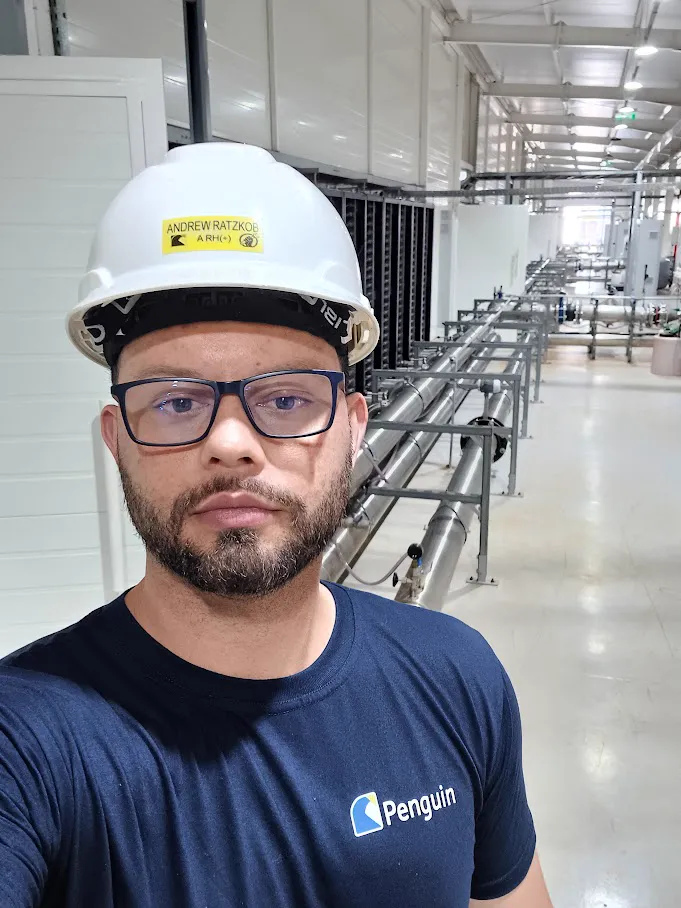
I am a mechanical engineer with ten years of experience, the last three focused on the physical layer of computing — the part that decides whether a GPU cluster runs at full clock or throttles into failure. My work sits where thermal engineering, electrical infrastructure and civil construction meet, and my job is to make those three disciplines agree on a single, buildable plant.
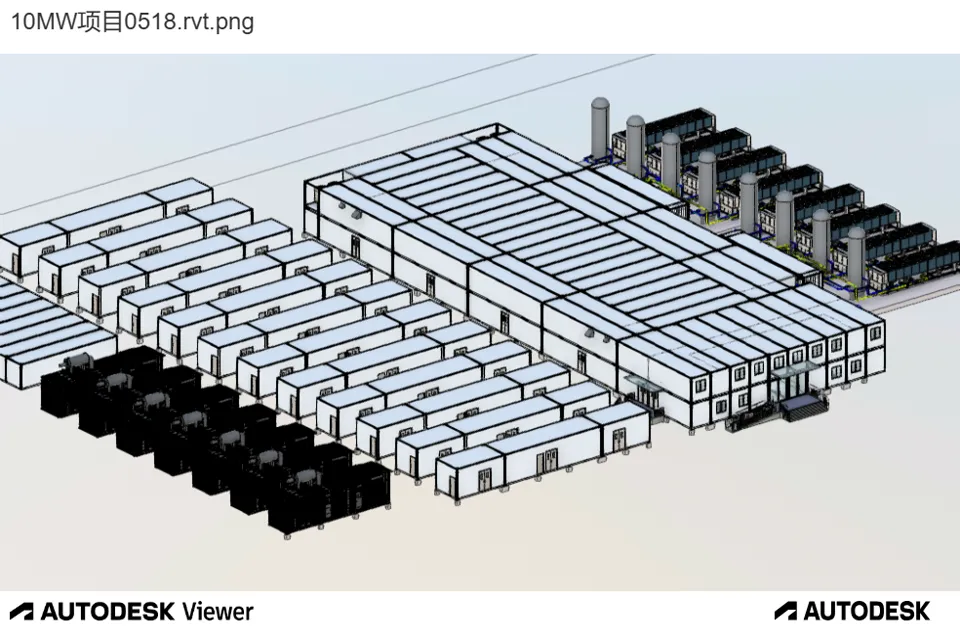
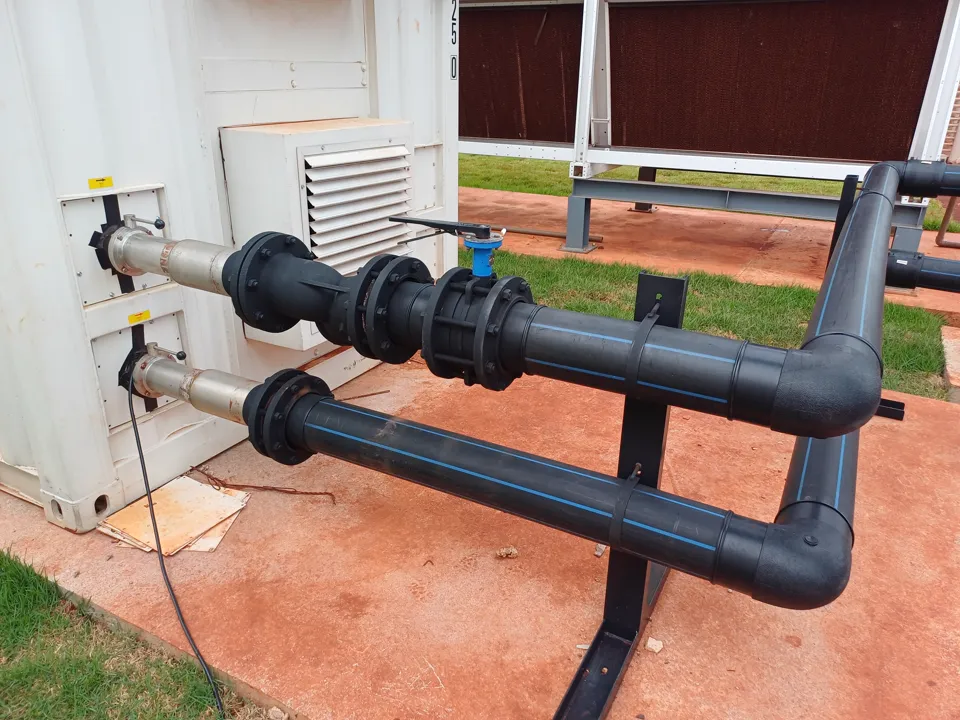
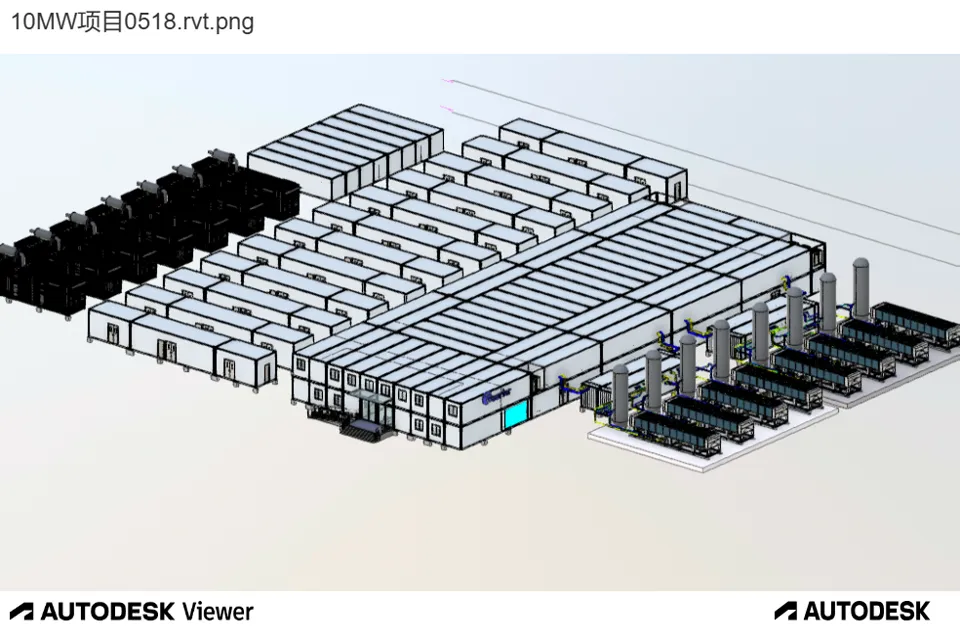
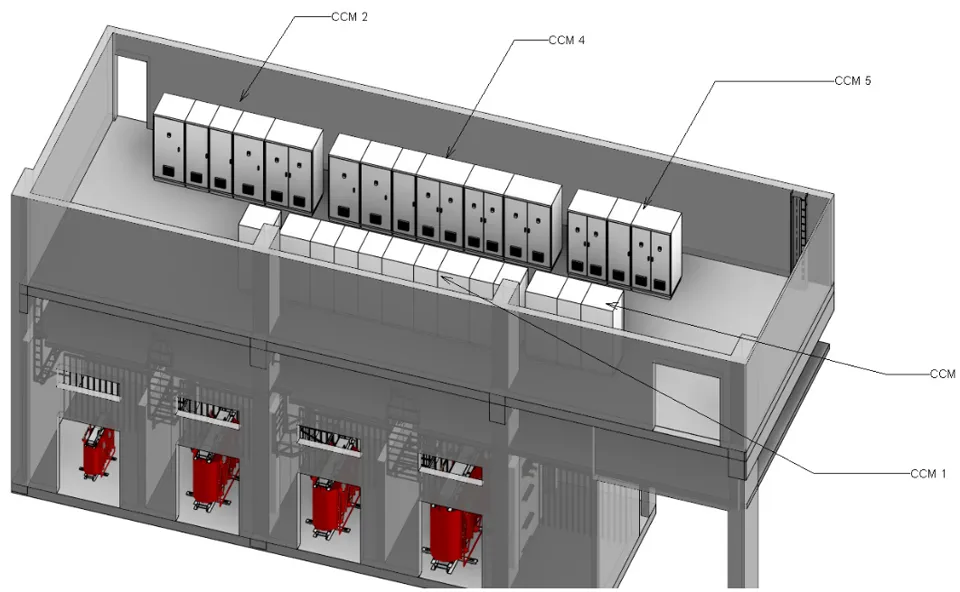
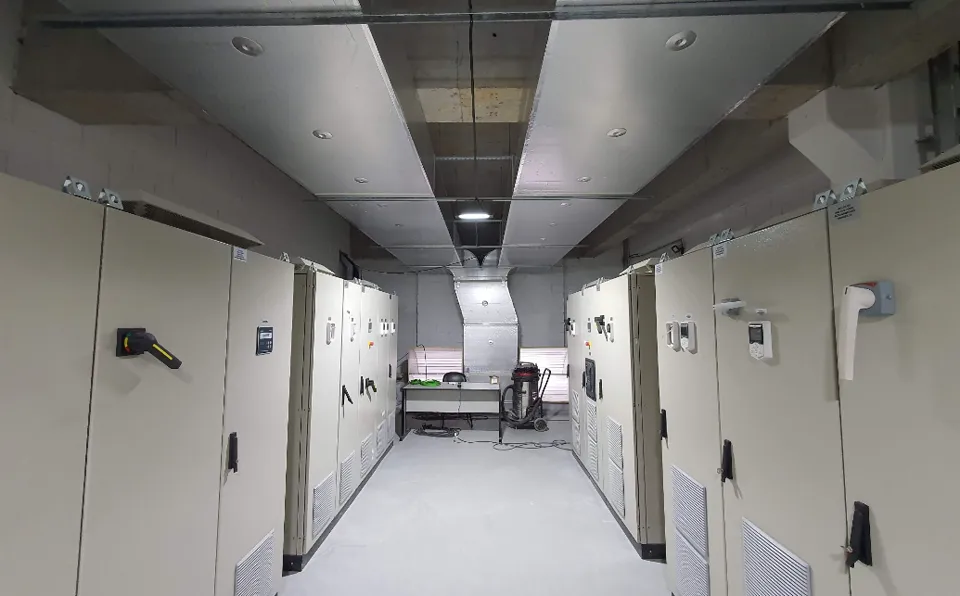
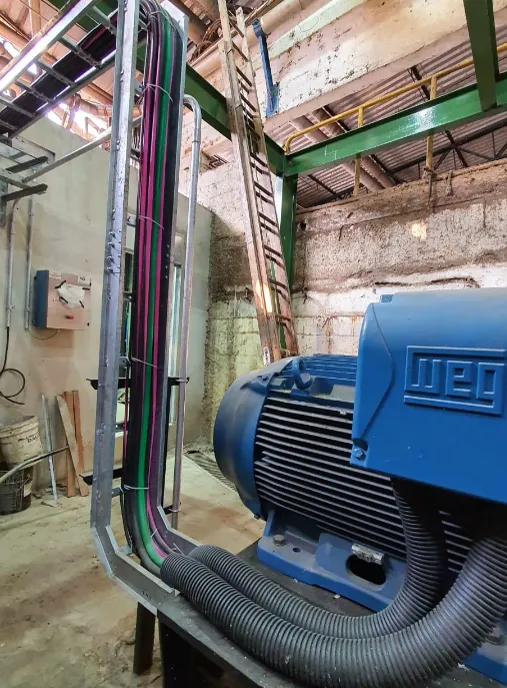
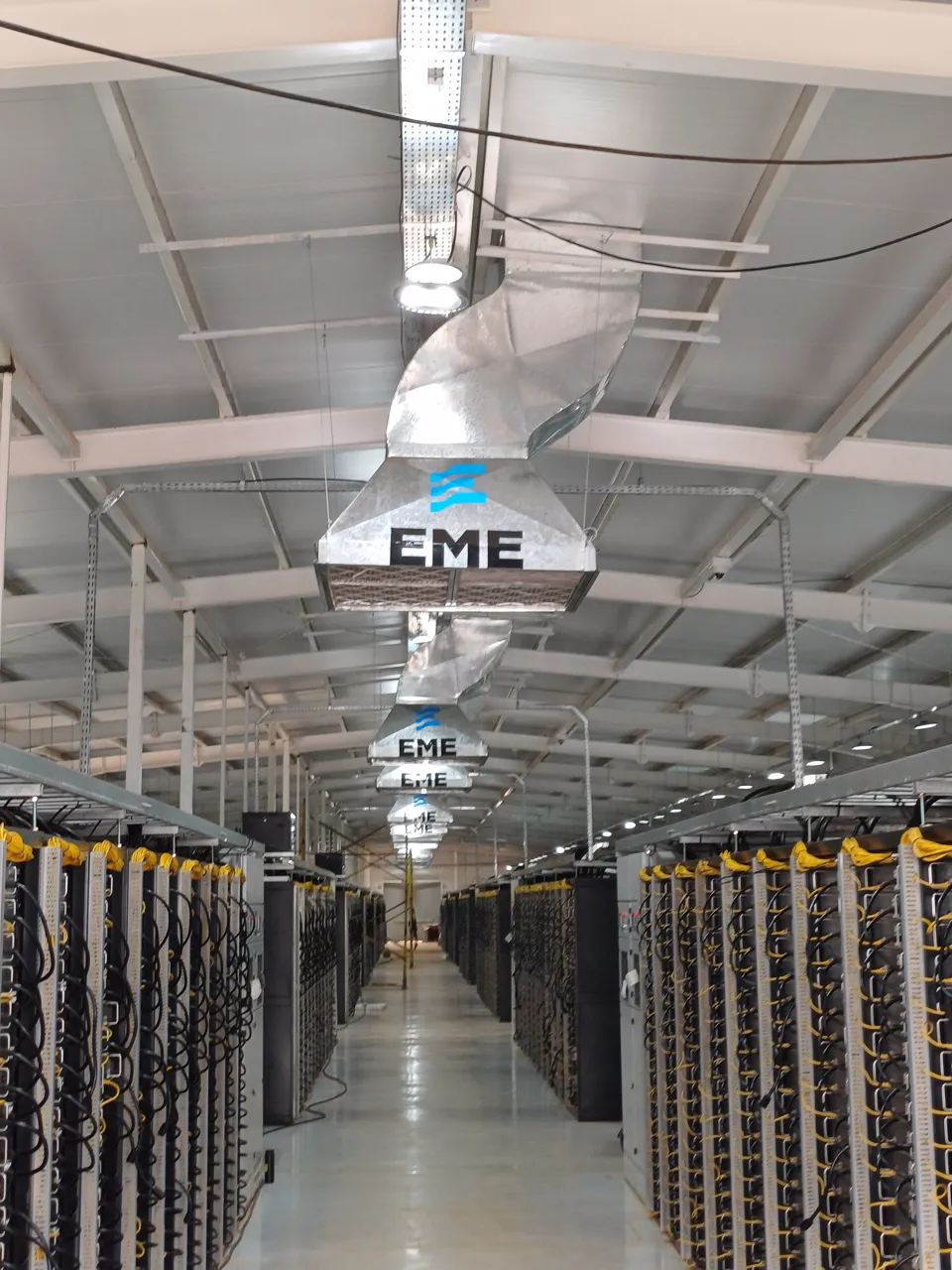
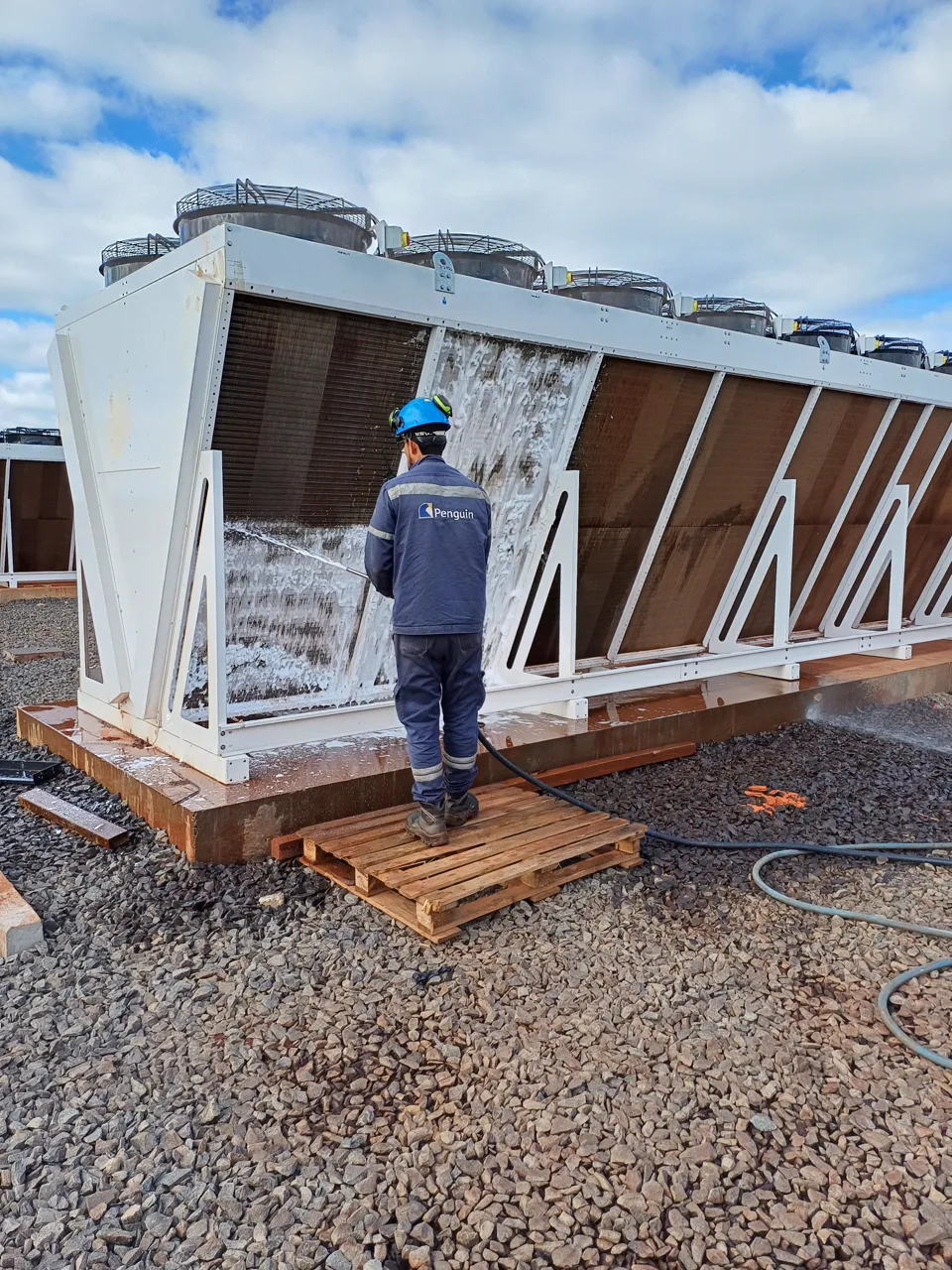
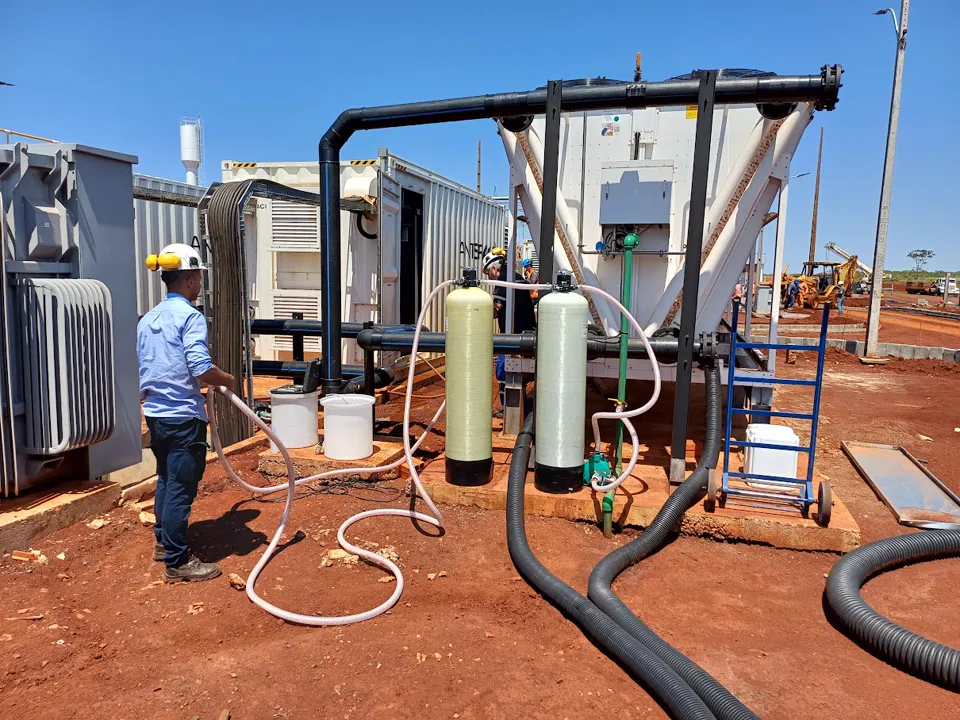
Today I lead mechanical design at Penguin Group's 100 MW crypto data center in Paraguay, where I am also designing the liquid-cooling and MEP systems for the site's AI compute expansion — dimensioning heat rejection for NVIDIA GB300 NVL72 racks, specifying the dual hydraulic loop that will serve direct-to-chip cold plates and rear-door heat exchangers, and laying out the white space against the electrical and civil constraints. That AI expansion is still at the design stage; day to day, I'm on site making sure contractors build the crypto infrastructure exactly as drawn.
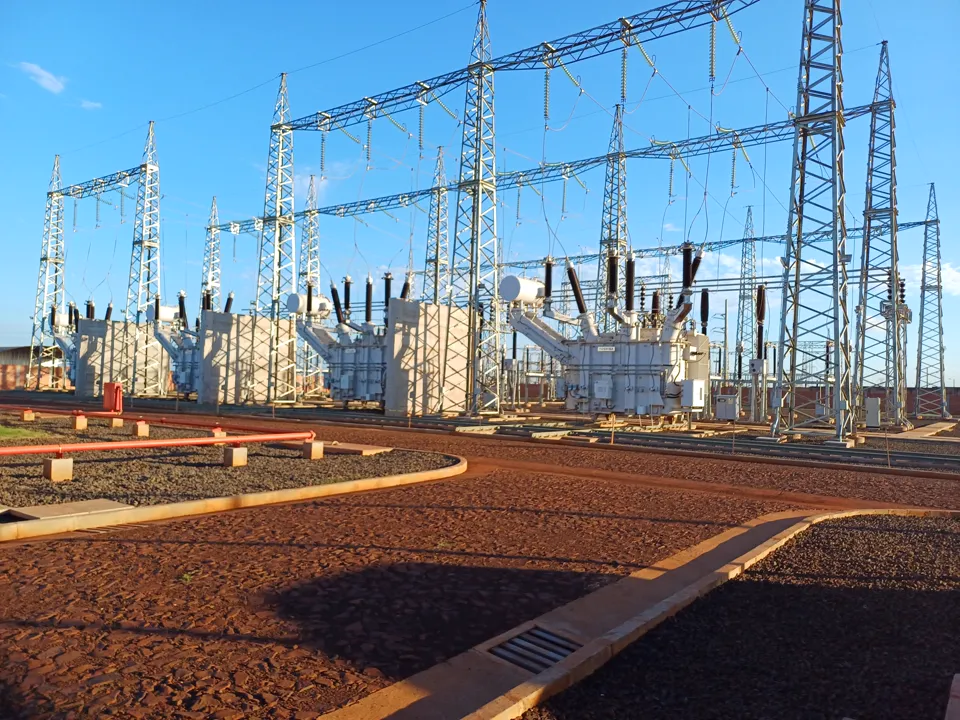
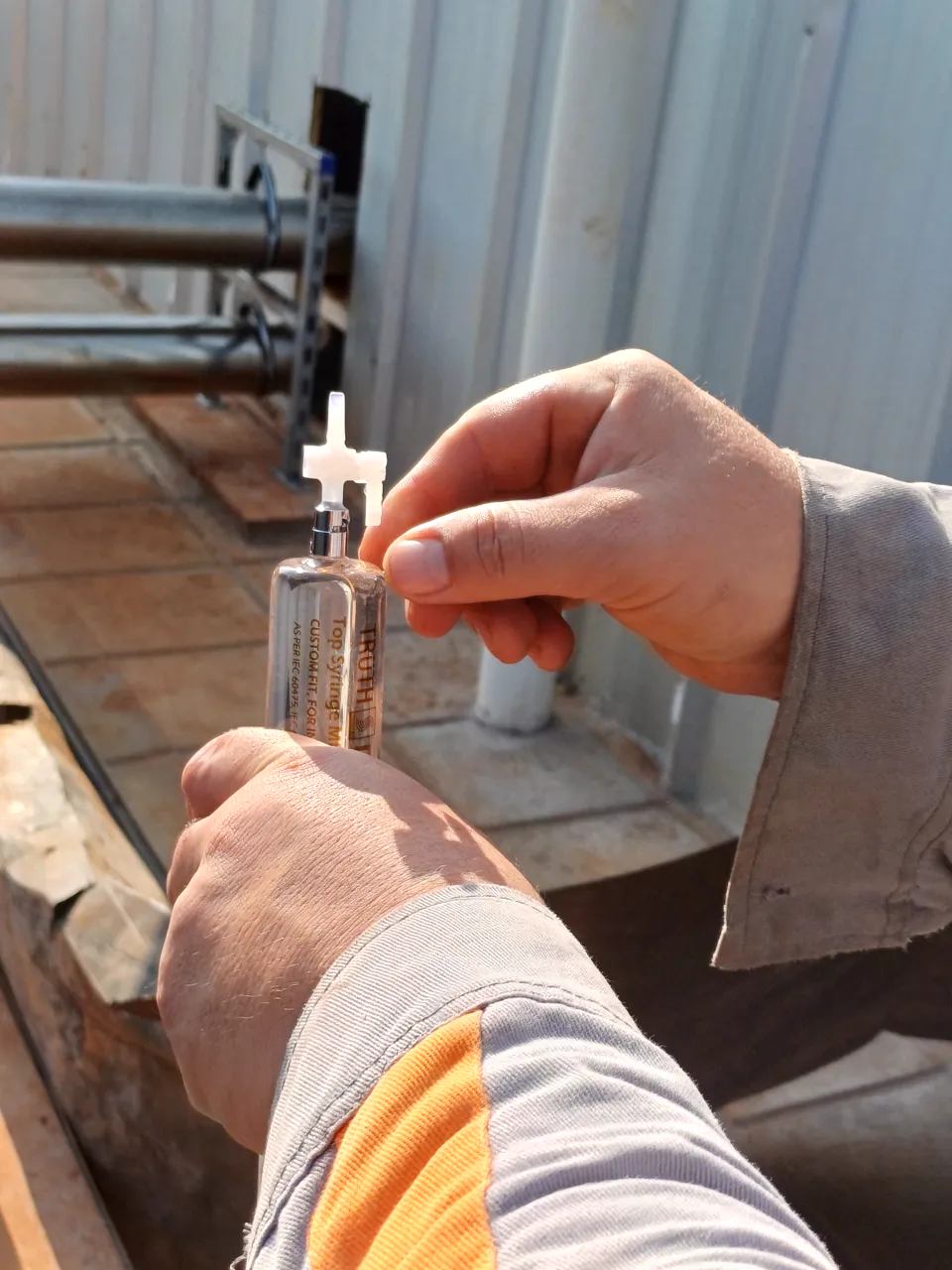
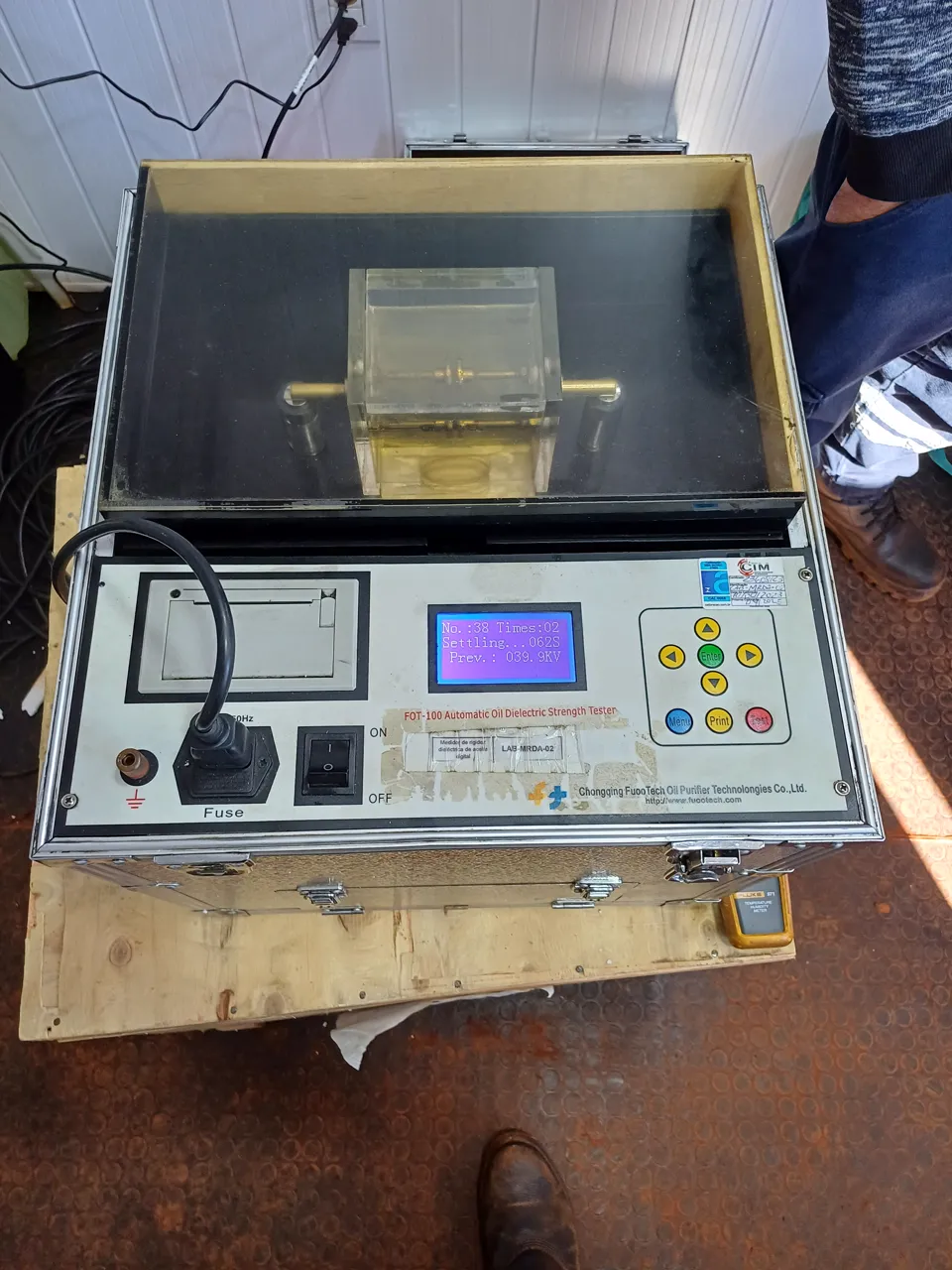
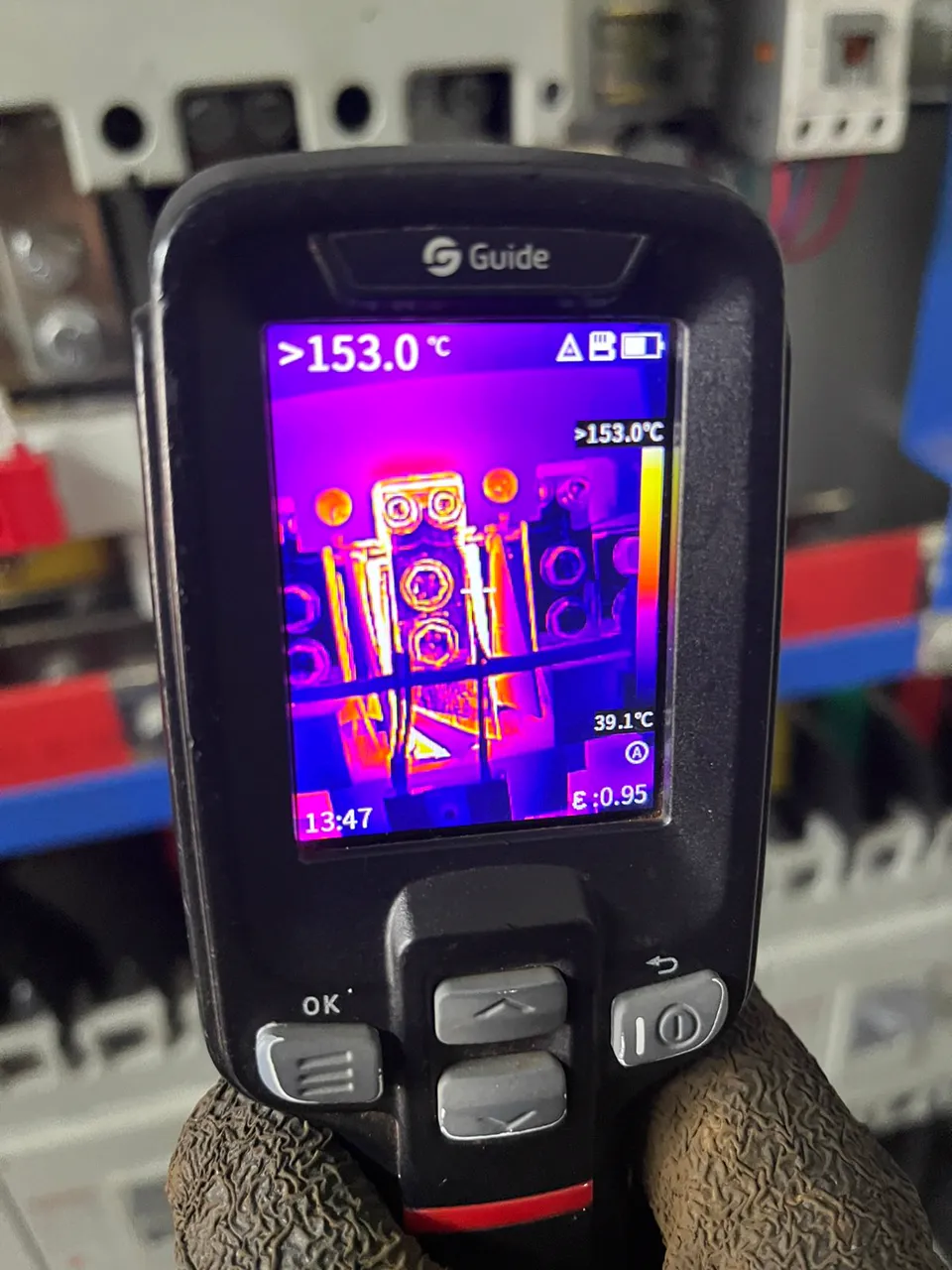
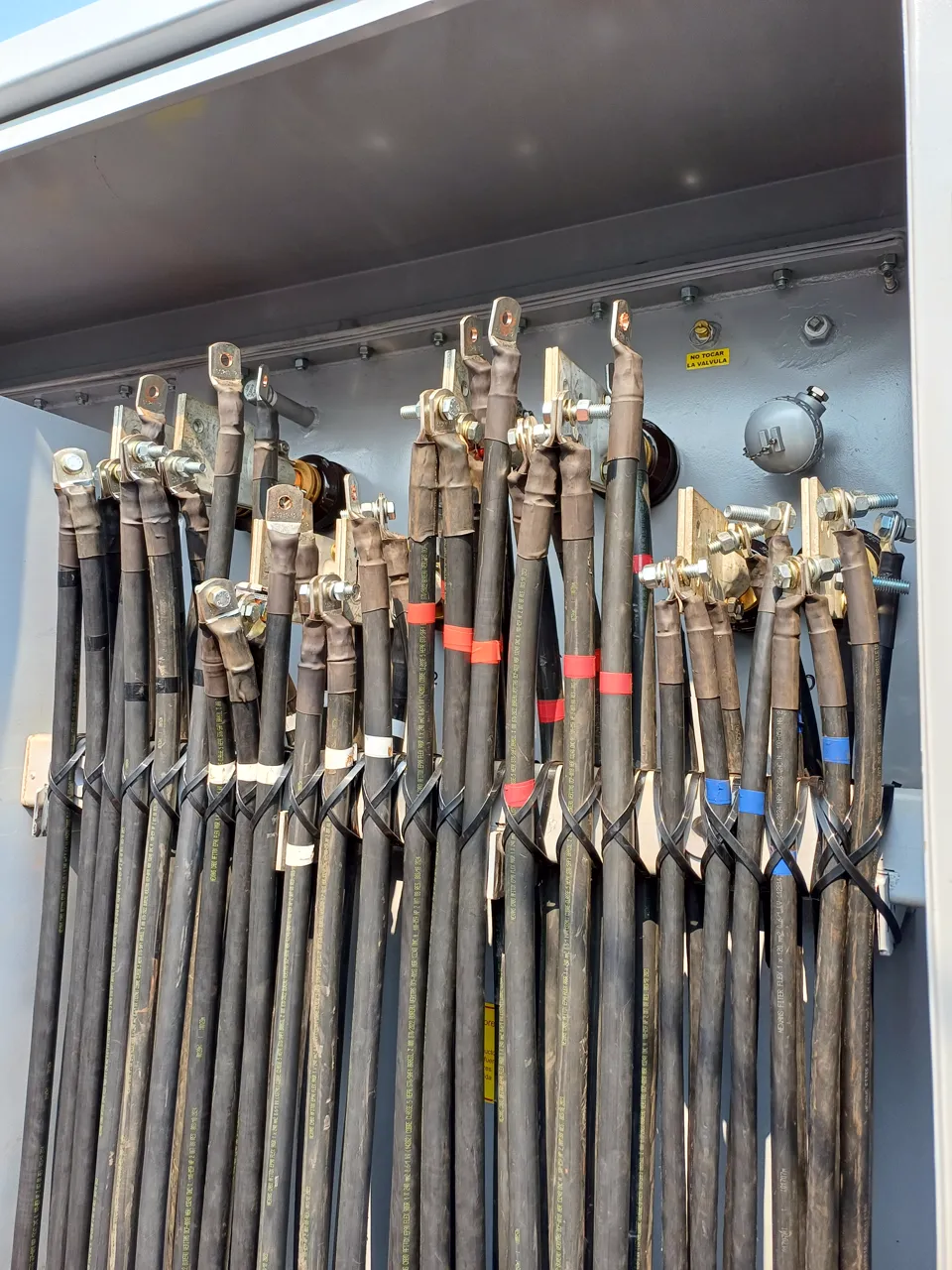
Before AI infrastructure, I built the foundation for it: high-voltage transformer diagnostics, 24/7 critical operations, industrial HVAC, and machine safety compliance. That range is the reason I can size a CDU in the morning and resolve a switchgear clearance conflict in the afternoon without handing the problem to someone else.
I work in English, Spanish and Portuguese, and I am open to remote engineering roles supporting AI and HPC data center construction and expansion anywhere in the world.